
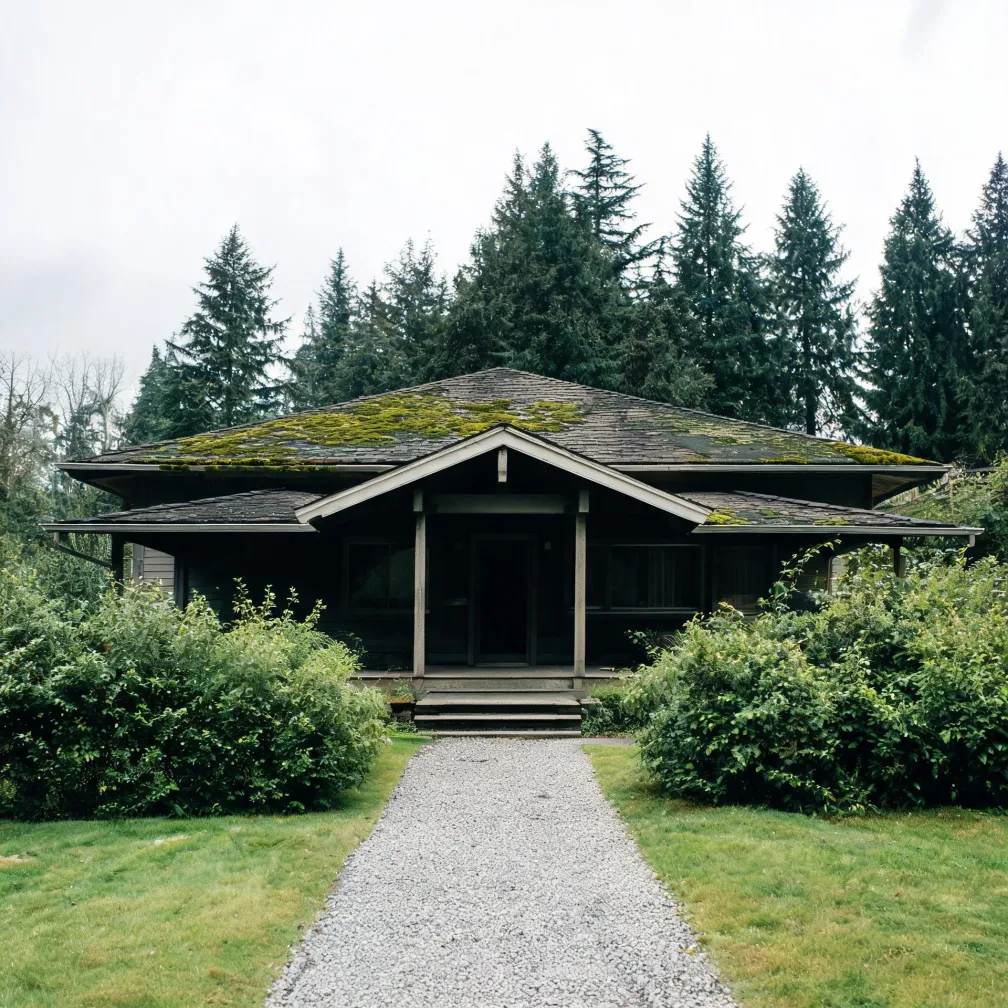
What Washington homes are up against.
NOAA National Centers for Environmental Information, Storm Events Database, bulk CSV export, events 2015-01-01 through 2024-12-31. · U.S. Census Bureau, 2020-2024 American Community Survey 5-Year Estimates

A boiler that cycles through a long heating season puts steady hours on the burner, the heat exchanger, and the ignition components in a way that a short season simply does not. Homes in Washington run heat about ten months a year, from September through June. That kind of continuous demand means faults that might stay hidden under easier conditions will surface well before a boiler reaches the end of its expected service life. A contractor quoting a replacement here is not just matching output to square footage; they are specifying parts that hold up under sustained use, which is a different calculation than one made for occasional heating.
A boiler replacement starts at the system, not the unit. What runs through the pipes, how the controls are wired, and what the heat emitters were sized for all have to be checked before a contractor can specify new equipment. Half the homes in Washington were built in 1985 or earlier (2020-2024 ACS 5-year). That means a contractor working on a typical Washington house is likely opening panels and tracing lines rather than quoting off a model number, because the distribution side may have been built around a pressure range or flow rate that a modern boiler does not match. A mismatch there changes the specification and the scope of the job.
Does where you live in Washington put harder demands on your HVAC?
2015–2024 · Source: NOAA National Centers for Environmental Information, Storm Events Database.
A county that shows up high in this ranking has equipment contending with real outdoor punishment: freezing temps that strain heat exchangers, wind-driven rain that works into condenser housings, and ice loads that bend fins and block drainage. Sizing, siting, and spec choices that make sense in a mild corner of the state may fall short here. The contractor you are matched with knows what the conditions in your area actually ask of the equipment.
Washington HVAC Installation and Repair License Requirements
Washington sets its own requirements for who can perform HVAC installation and repair work. The provisions below are quoted directly from state sources, not paraphrased.
Washington requires contractor registration rather than an HVAC licence: every contractor must register with the Department of Labor and Industries, and advertising, bidding or working as a contractor without that registration is a gross misdemeanour.
A state license for this trade sets the floor on who is legally permitted to do the work. For a homeowner, that means the person touching your system carries credentials Washington has approved, not just a business card. Every contractor request through this site is filtered against that requirement before it goes anywhere.
View the source provisions1 provisions
Washington requires contractor registration rather than an HVAC licence: every contractor must register with the Department of Labor and Industries, and advertising, bidding or working as a contractor without that registration is a gross misdemeanour.