Tell us about the job
Takes about a minute. No obligation.
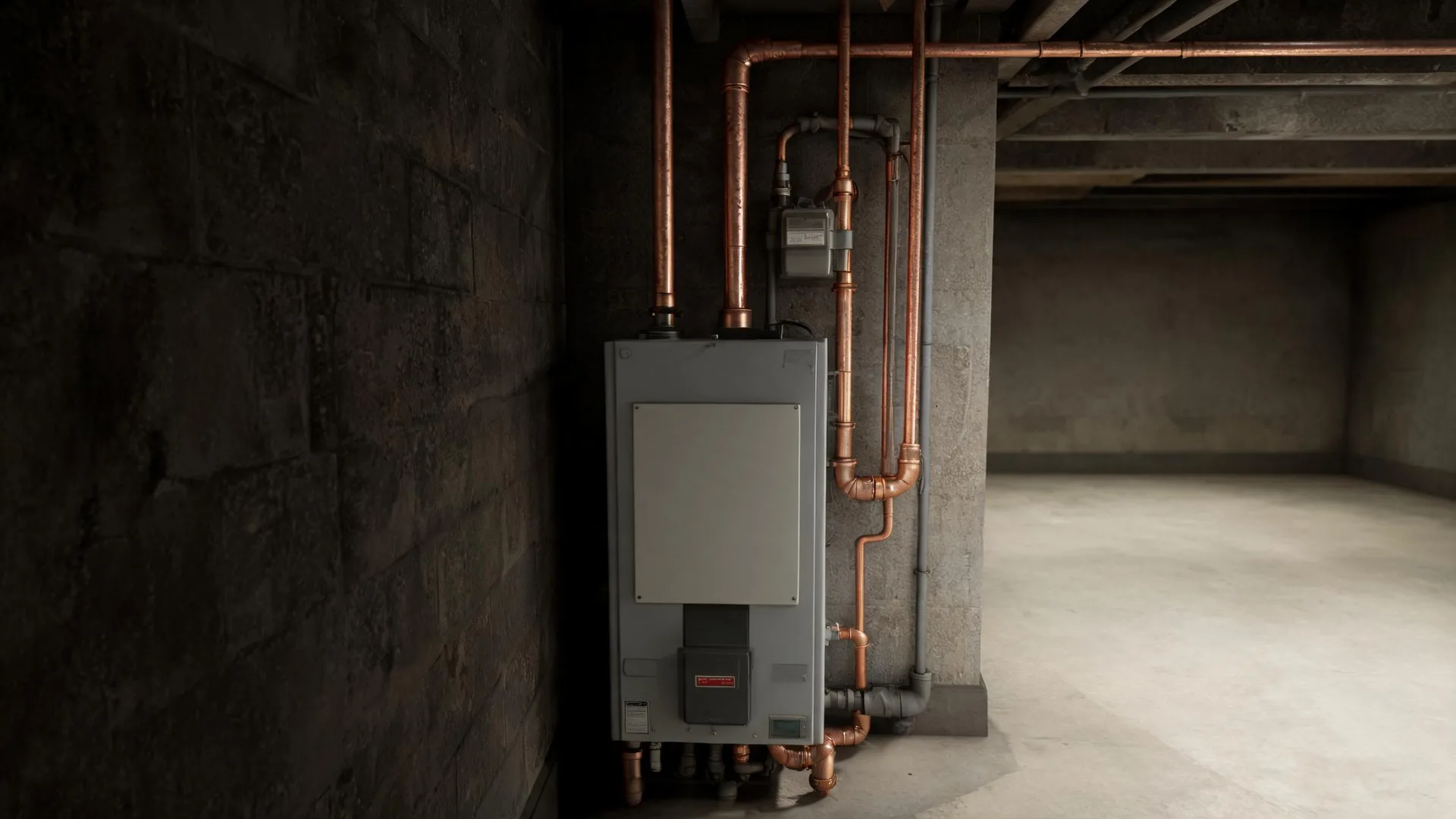
A boiler repair quote in Skagit County starts with what the burner and ignition system look like up close. Homes in Skagit County, WA run heat about eleven months a year, from September through July. That kind of runtime accumulates on the parts that cycle hardest: the igniter, the heat exchanger, and the gas valve seals. A contractor finding a fault in one of those is also checking the others, because components that share the same load tend to reach their limits together. Wear on the heat exchanger in particular shows up as cracking or scale buildup that a visual inspection can confirm.
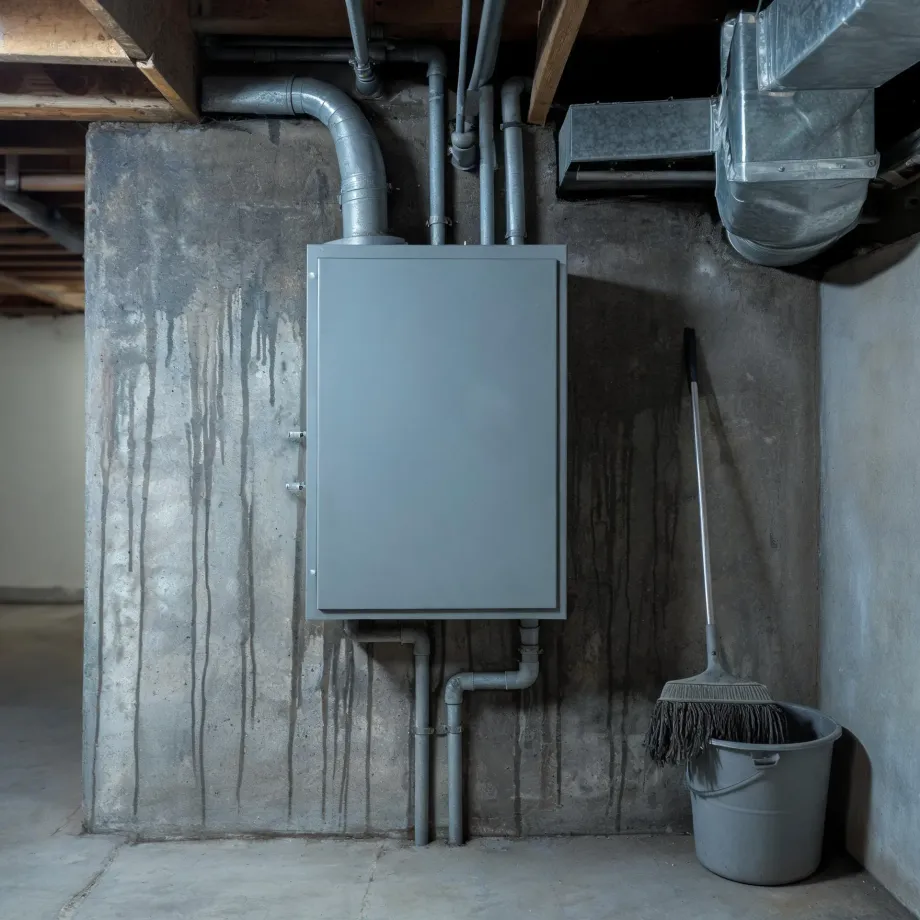
A boiler that has been running in a house since the house was new is a different repair job than one swapped in last decade. Half the homes in Skagit County, Washington were built in 1986 or earlier (2020-2024 ACS 5-year). A contractor opening a boiler in stock like this finds heat exchangers and zone controls from product lines that have since been discontinued, and sourcing parts for them takes more than a catalog lookup. That gap between what the parts book covers and what is actually installed is where the repair scope gets decided.
The Parts of a Boiler a Contractor Checks First
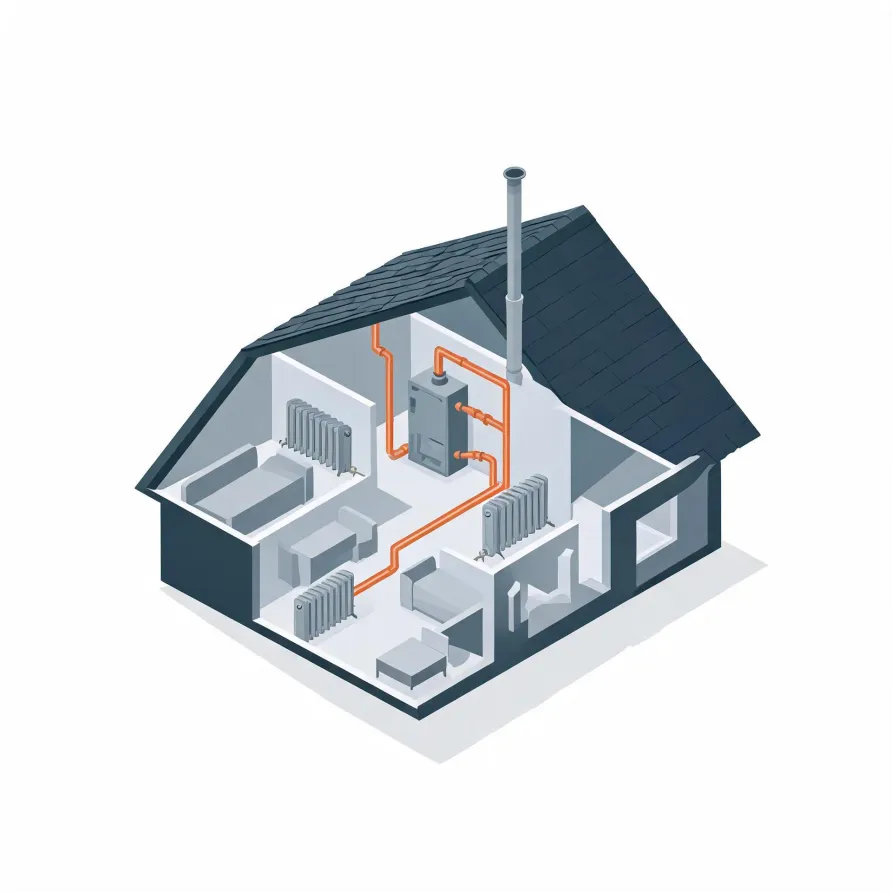
The boiler itself sits in a mechanical room, basement, or utility closet and is the unit that heats water and circulates it through the system. When something goes wrong here, a contractor looks at the heat exchanger, the burner assembly, and the controls that tell the unit when to fire.
The circulator pump moves heated water out to the radiators or baseboard units in each room and back again. The expansion tank, typically mounted near the boiler, absorbs pressure changes as water heats and cools. Radiators and baseboards are the endpoints a contractor checks when heat is uneven or absent in part of the house.
The drawing shows a general layout of these components, and a licensed contractor determines what applies to your specific system.
Find a contractor in Skagit CountySkagit County, by the numbers
Half the homes in Skagit County, Washington were built in 1986 or earlier (2020-2024 ACS 5-year).
U.S. Census Bureau, 2020-2024 American Community Survey 5-Year EstimatesSkagit County, Washington holds 57,050 housing units (2020-2024 ACS 5-year).
U.S. Census Bureau, 2020-2024 American Community Survey 5-Year EstimatesOwners occupy 70.1% of the occupied homes in Skagit County, Washington (2020-2024 ACS 5-year).
U.S. Census Bureau, 2020-2024 American Community Survey 5-Year EstimatesBoiler Repair Rules & Standards for Skagit County, Washington1 sourced regulations and codes
Licensing and Legal Requirements in Skagit County, Washington
Washington requires contractor registration rather than an HVAC licence: every contractor must register with the Department of Labor and Industries, and advertising, bidding or working as a contractor without that registration is a gross misdemeanour.