Say what's going on with your boiler, and a pro who works on them reaches out.
A cold boiler in your home should read somewhere between 12 and 15 psi on the gauge. Once it heats up and water expands, that number climbs, and it should settle back down once things cool off. If your gauge sits below 12 psi, or it won't hold steady, something is off, and it's worth having a look before you're left without heat on a cold morning.
Boilers aren't common in most Washington homes, since electric heat is standard here and runs on cheap power. If yours came with the house, or a past owner put it in, you're working with equipment that doesn't get much local attention just because there isn't much of it around. That makes it more important, not less, to have someone look at it who actually knows this equipment, not just furnaces and heat pumps.
A contractor who services boilers regularly in this area knows what tends to go wrong with them here. Low pressure usually means a slow leak somewhere in the system, or a problem with the expansion tank. High pressure that won't come down often points to a bad pressure relief valve or an issue with the fill valve. These are things a technician checks as part of routine maintenance, before they turn into a bigger repair or a system that won't start at all.
Getting matched means a local, licensed contractor familiar with boilers reaches out to you directly. Not a handful of companies competing for your callback, just one who knows the equipment and can speak to your specific setup. Given how uncommon boilers are in Washington homes, finding someone who actually knows this equipment well matters more than it might for a furnace or an AC unit.
Below, you'll find the pressure ranges to expect, what's normal as your system heats and cools, and the signs that mean it's time to get a professional opinion.
A cold boiler should read 12 to 15 psi. Below that and the system can't push water through every radiator or baseboard loop in the house, so the far ones run cold even while the boiler itself is working fine. Above 15 psi when cold, and you're closer to the relief valve's trip point once the water heats up and expands, which is usually around 30 psi. That valve opening is the system protecting itself from a crack or a burst, not a minor nuisance. If your gauge needle sits still and low, or it creeps past 20 psi once the heat's been running a while, that's worth having looked at before the cold months ahead, when this boiler will be carrying the house on its own most days.
A local pro for your boiler maintenance
A licensed local pro takes the request for your boiler tune-up.
A local pro who knows boilers gets your details and gets in touch.
A gauge reading under 12 psi cold usually means the system has lost water somewhere, through a bleed valve left loose or a slow leak at a fitting.
With pressure low, the pump can pull in air instead of water, and you'll hear it in the pipes as gurgling or knocking.
Radiators or baseboards farthest from the boiler run cool first, since there isn't enough pressure to push water the full length of the loop.
Topping off the system through the feed valve brings the number back up, but pressure that keeps dropping points to a leak that needs finding.
A boiler that loses pressure every few weeks is telling you something is wrong, even if it never drops low enough to shut the system down.
High pressure
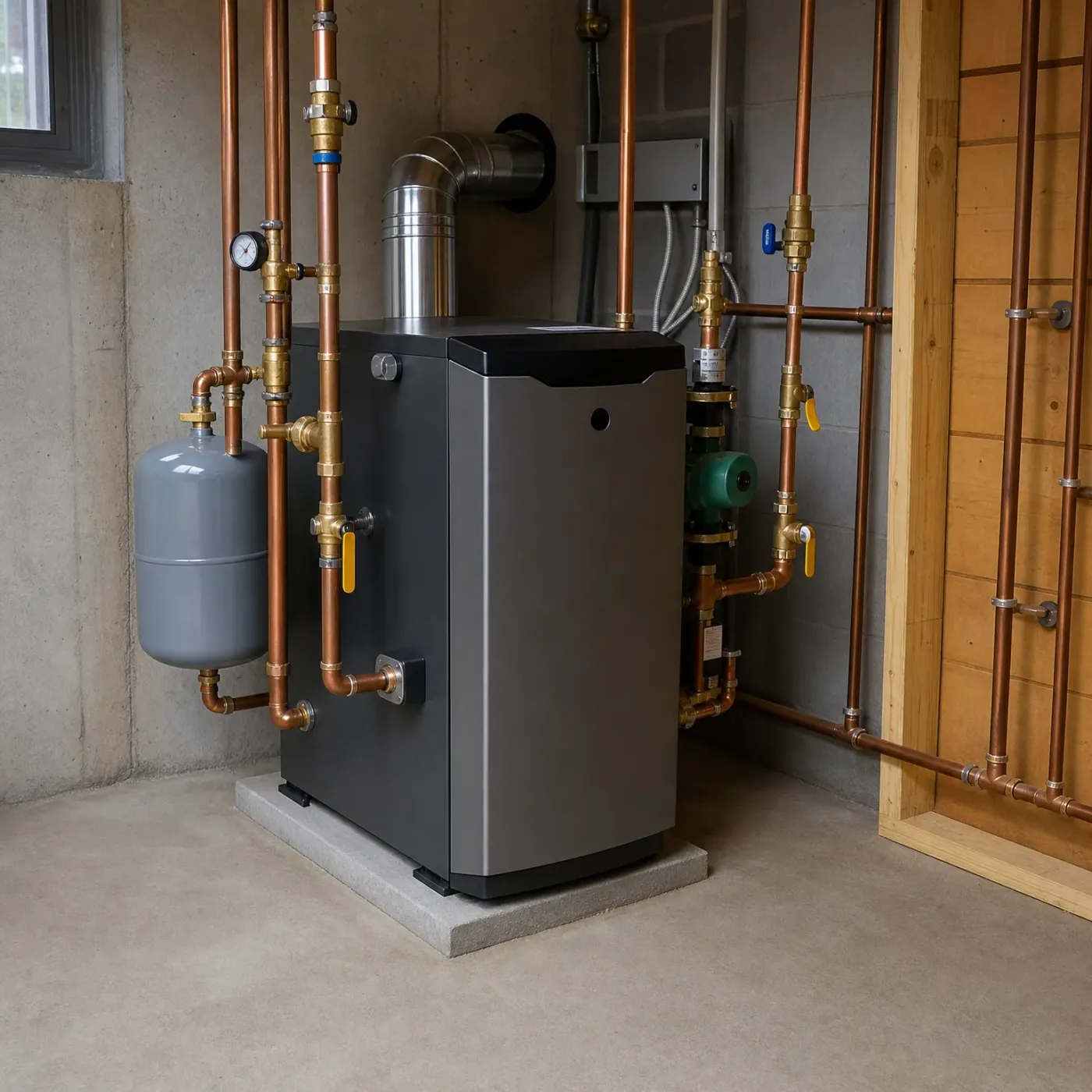
A cold reading above 15 psi leaves less room for the water to expand once the burner kicks on, and that pushes the working pressure higher still.
Most boilers have a relief valve set to open around 30 psi, and if the gauge climbs that high, it will discharge water to bring the system back down.
A relief valve that opens often will wear out faster than one that rarely has to work, and once it fails, it may not reseat properly.
Overfilling after a bleed or a repair is the most common reason pressure runs high, since it's easy to add a few extra psi without noticing.
High pressure on its own won't damage the boiler the way a leak will, but a valve that keeps opening is a sign the system needs a closer look.
Pressure holding steady
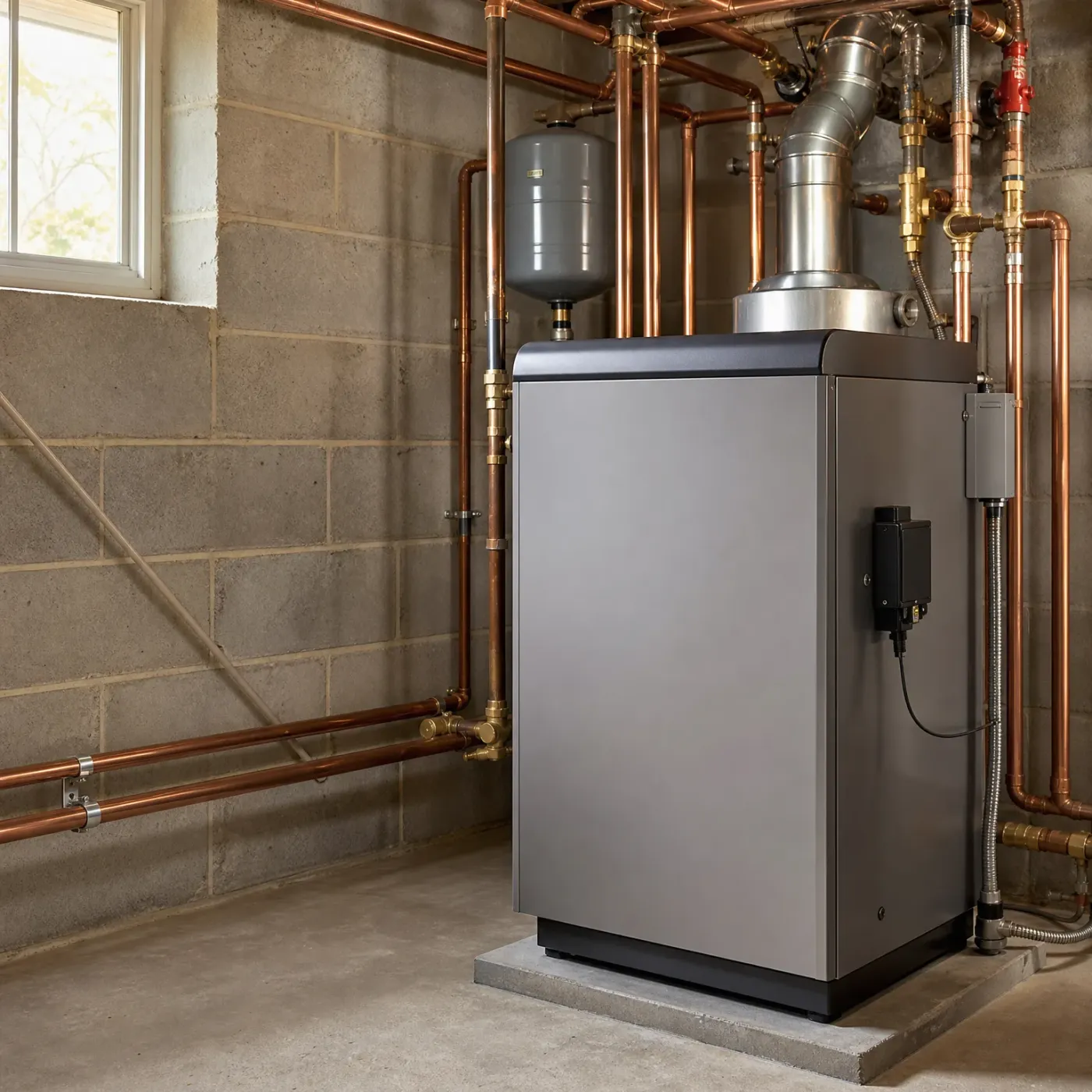
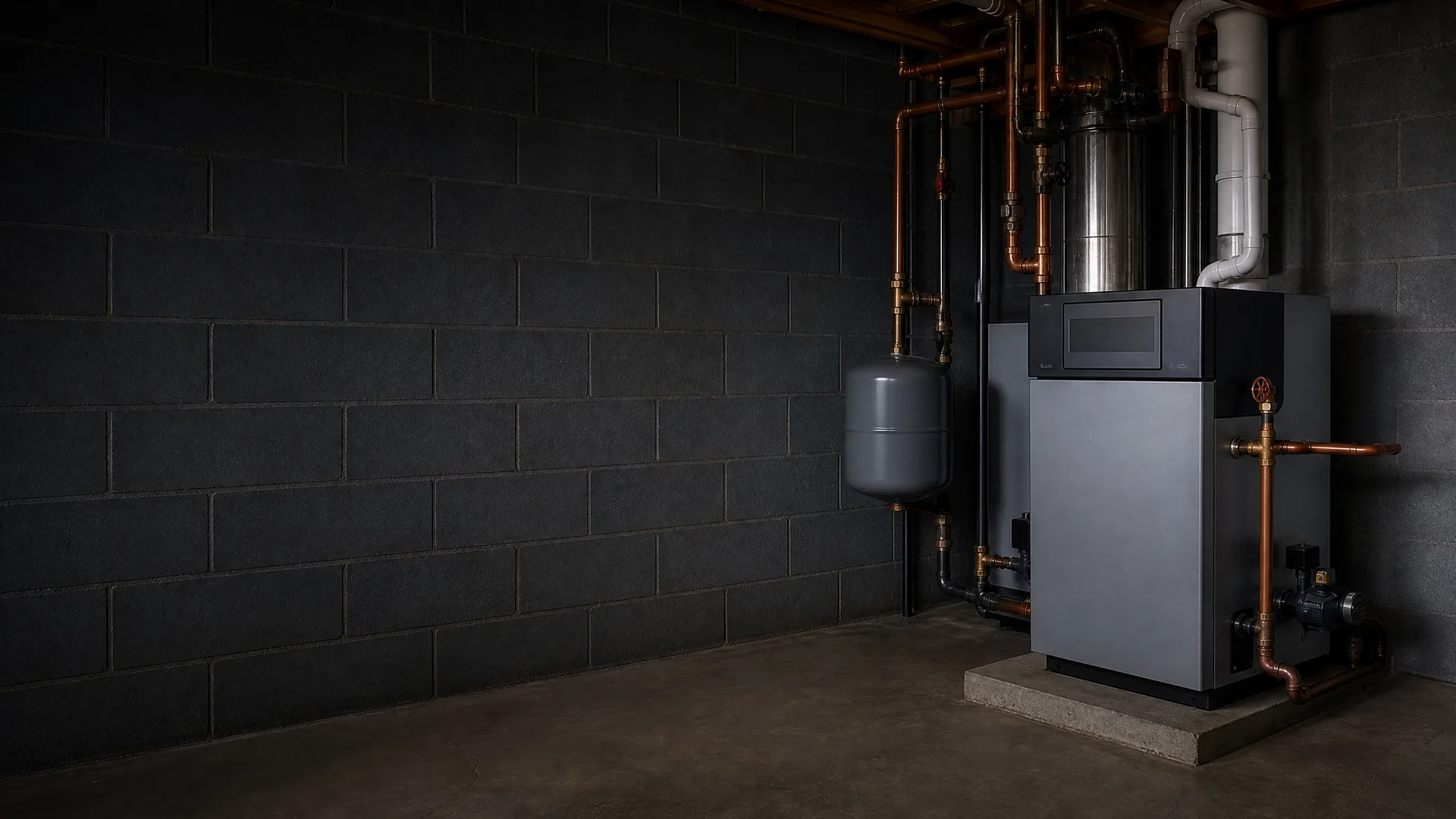
This is what a system at the right pressure looks like. The gauge sits where it should, the pump runs quiet, and every radiator in the house gets hot, not just the ones closest to the boiler. Nothing to bleed, nothing to top off.
Pressure drifting off
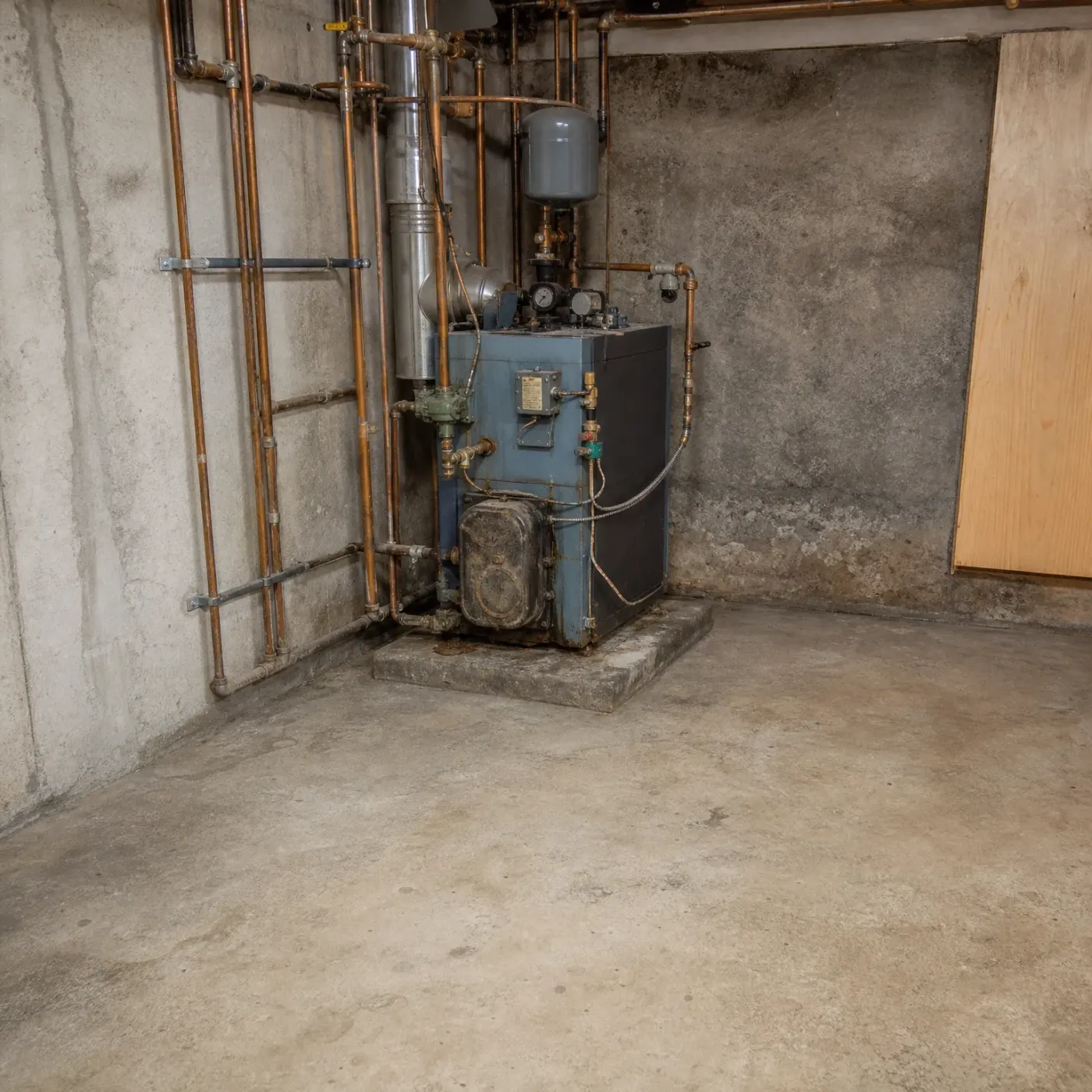
An older boiler like this one is more likely to lose water slowly, at a fitting or a valve that's never been checked. The gauge creeps down over months, and by the time a room runs cold, the system's been shorted on pressure for a while.
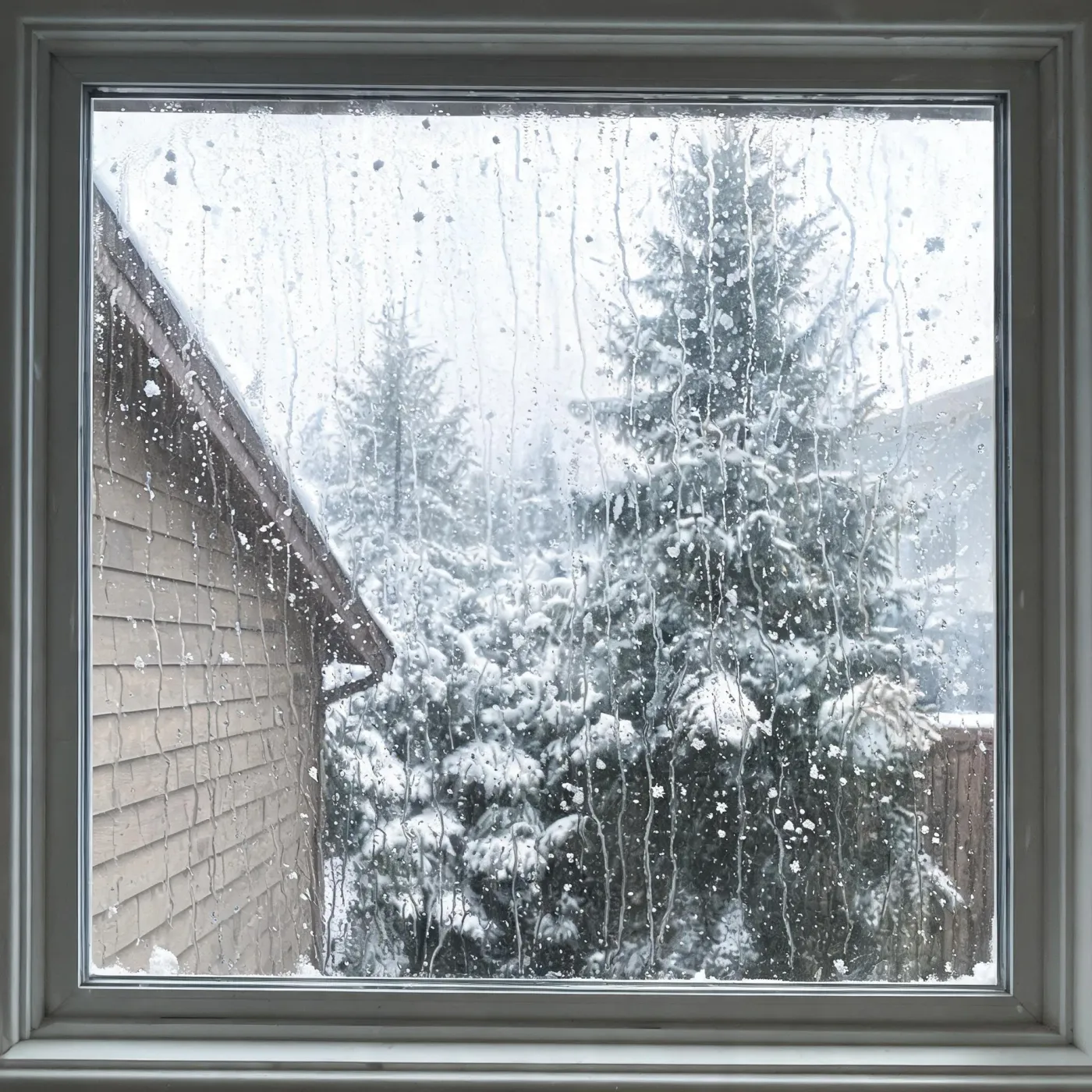
Winter nights average 30°F across Washington, cold enough that most houses here lean on electric heat to get through them. A boiler running alongside that kind of cold cycles on and off more through the night, and every cycle is a chance for the pressure to drift. You might catch it reading fine at 13 psi in the evening and find it's crept up or dropped off by morning. That's worth checking a few times a season, not just once, because a system that holds steady on a mild afternoon can act differently once it's been working against a 30-degree night.
NOAA nClimDiv 1991-2020 county normals weighted by homes
12 to 15 psi cold, holding steady, that's where it should sit
That's the number. Check it cold, check it again after the heat's been running a while, and if it comes back to the same range each time, the system is doing what it's supposed to do. If it drifts low or climbs high and stays there, something's letting water in or out that shouldn't be.
A boiler that's been maintained through the fall holds its pressure better once the cold nights set in and it's cycling all night to keep up. Someone local who services these systems every season knows which valve or fitting tends to go first on a given brand, and can check yours before a January night makes the problem obvious. A contractor matched to your situation, one, not a handful calling you back, is a better place to start than guessing at the gauge yourself.
Get the right pro for your boiler
The pro who reaches out is licensed in Washington.