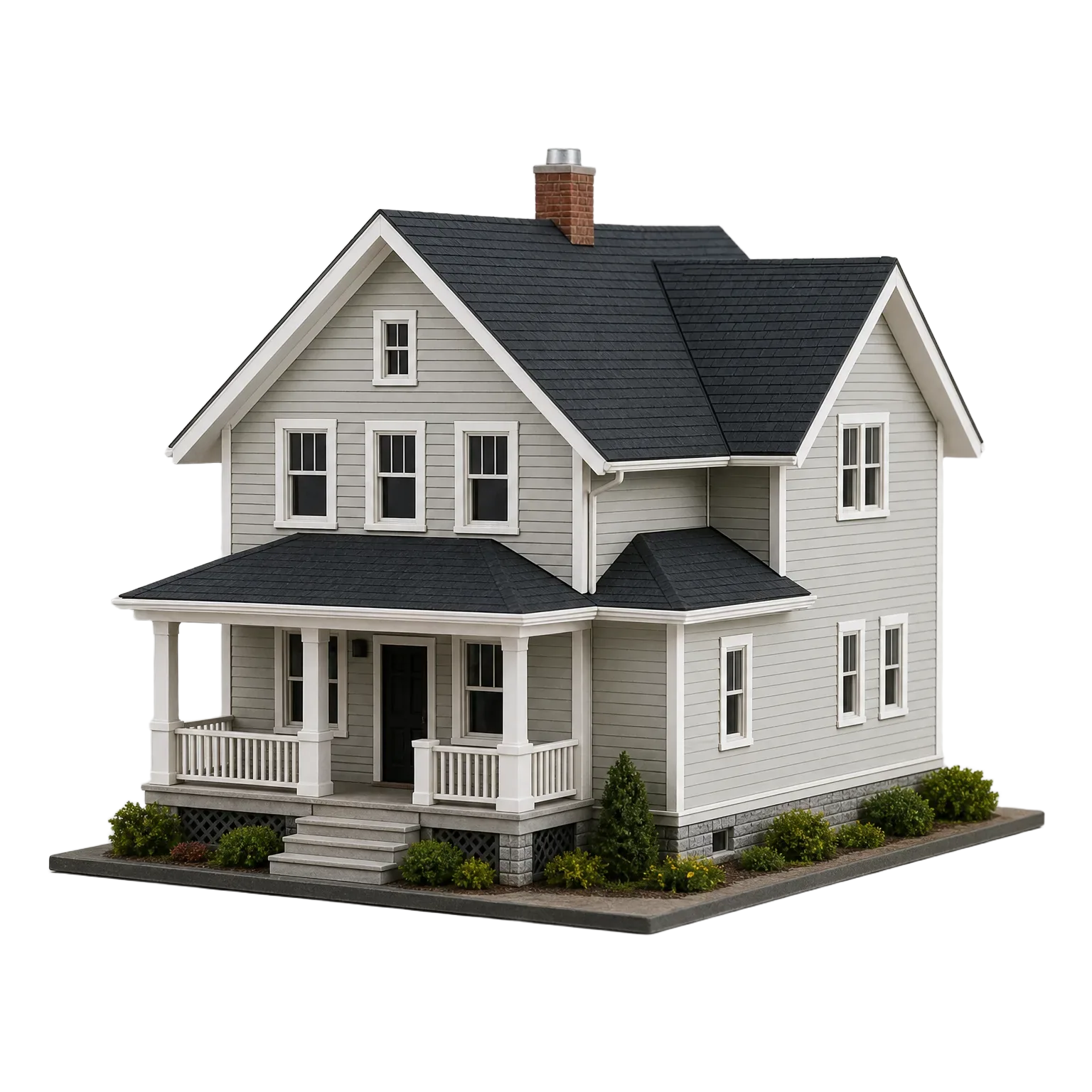
Sized right, running clean
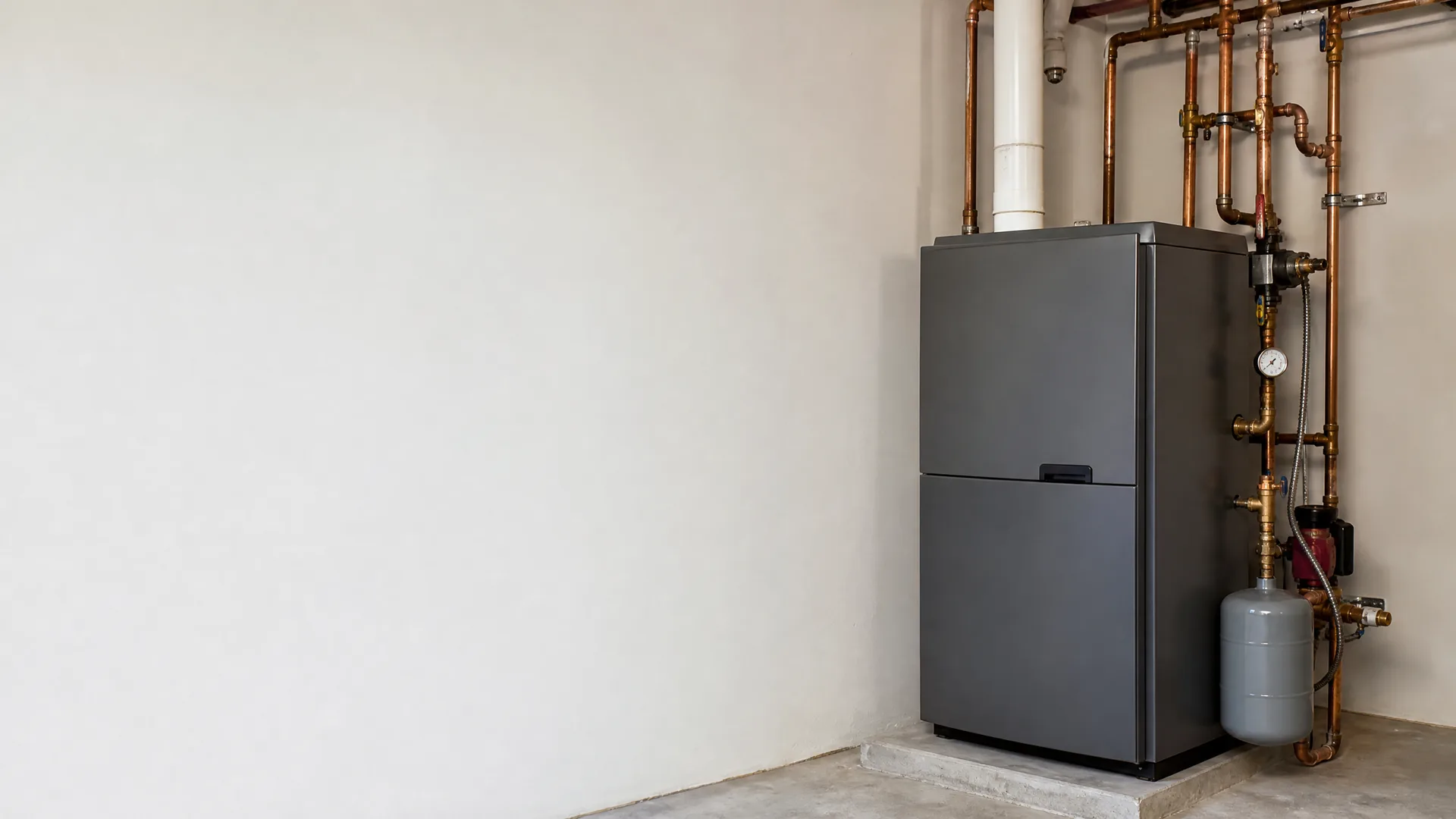
A properly sized boiler holds steady pressure, and the pipes, pump, and expansion tank all do their job without strain. The flue draws clean. Nothing in this room is working harder than it has to.
 Get matched
Get in touch with a local installer about a new boiler.
Sizing a boiler for a Washington home isn't a matter of matching the old unit or guessing by square footage. Most houses here lean on electric heat, so a boiler is often doing a specific job, maybe a few rooms, a radiant floor, a single zone that electricity doesn't cover well. Getting the size right depends on what that boiler actually has to carry, not a rule of thumb.
Summers here don't ask much of your heating equipment either way, since the air stays mild and dry. That actually matters for sizing, because a boiler here doesn't need to be built around long stretches of hard use the way it might somewhere with a brutal summer and winter both. Winter load is the number that counts.
The right way to answer this for your house is a load calculation done on the actual space: the rooms being heated, the windows, how the house holds heat. That's the kind of work a boiler contractor does on site, not over the phone and not from a search page.
That's where this page can help. Tell it a bit about your home and it matches you with a licensed boiler contractor local to Washington, someone who installs and sizes these systems in homes like yours and knows how electric-heat households here tend to use a boiler differently than homes that heat with it entirely. You'll hear from one contractor, not a handful, so there's no juggling calls or comparing strangers. They'll look at your actual space and tell you what size fits it.
The answer to "what size" is below, with the ranges and the reasoning behind them. But the number that matters most is the one a contractor works out for your specific house.
You want a straight number before you call anyone, but boiler sizing isn't like picking a furnace off a chart of square footage. If the boiler is heating the whole house, that matters. If it's only running a radiant floor or a couple of rooms while electric baseboard or a heat pump handles the rest, the number you need is smaller and different. The honest answer depends on what the boiler is actually asked to do in your home.
A contractor sizes a boiler by calculating how much heat the space loses on the coldest days, not by looking at total square footage or copying the old unit's rating. In a lot of Washington homes, the boiler isn't carrying the whole house. It might be feeding one zone, a radiant floor, or a room or two while electric heat covers the rest. That changes the math. A boiler sized for the whole house when it only needs to cover part of it ends up oversized, which means it cycles on and off more than it should and wears out faster. The right size is specific to the rooms, the piping, and the insulation in that part of your home, which is why a load calculation beats a guess every time.




One installer gets your project, so there's no bidding war over it.
No fee to send it, and nothing to sign.
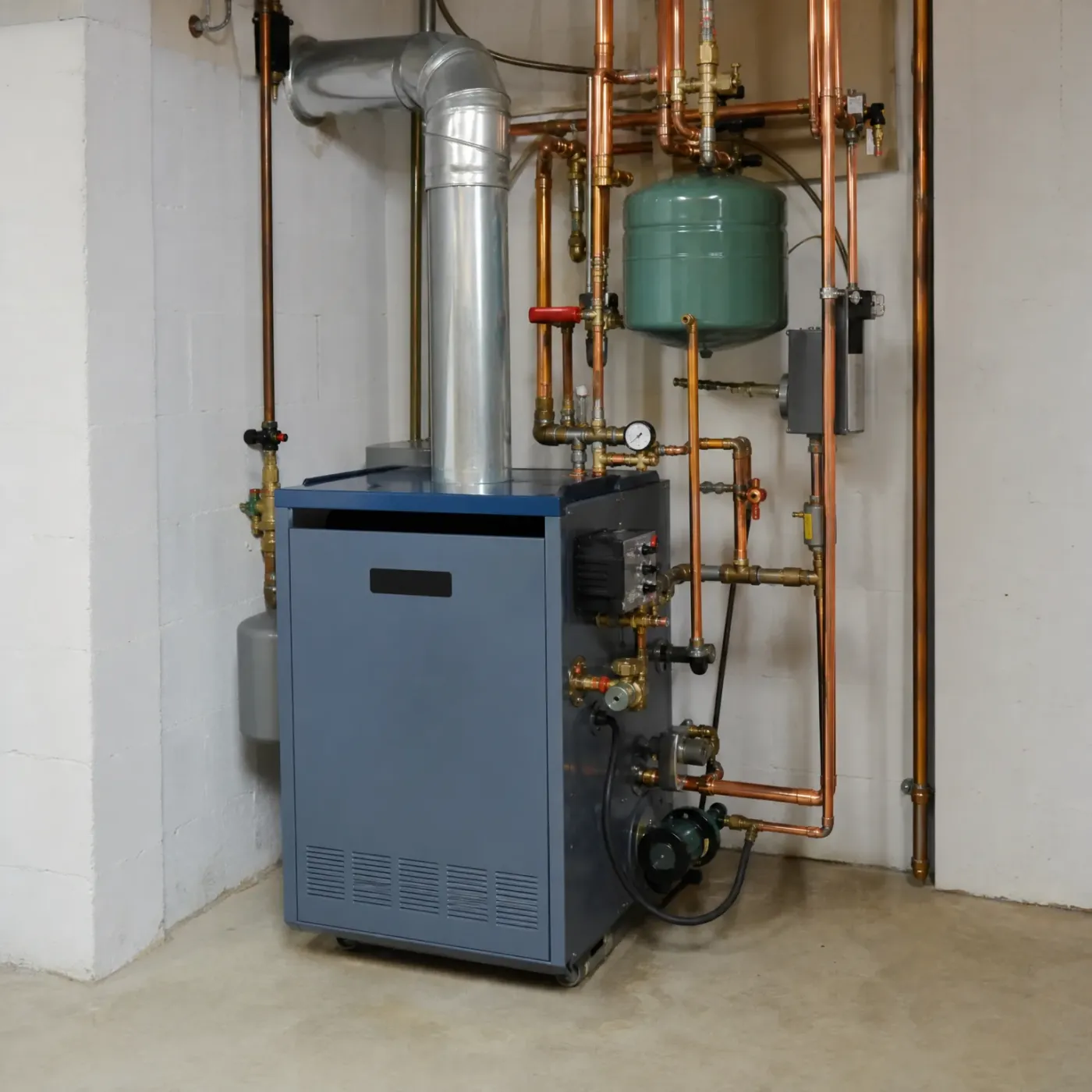
A properly sized boiler holds steady pressure, and the pipes, pump, and expansion tank all do their job without strain. The flue draws clean. Nothing in this room is working harder than it has to.
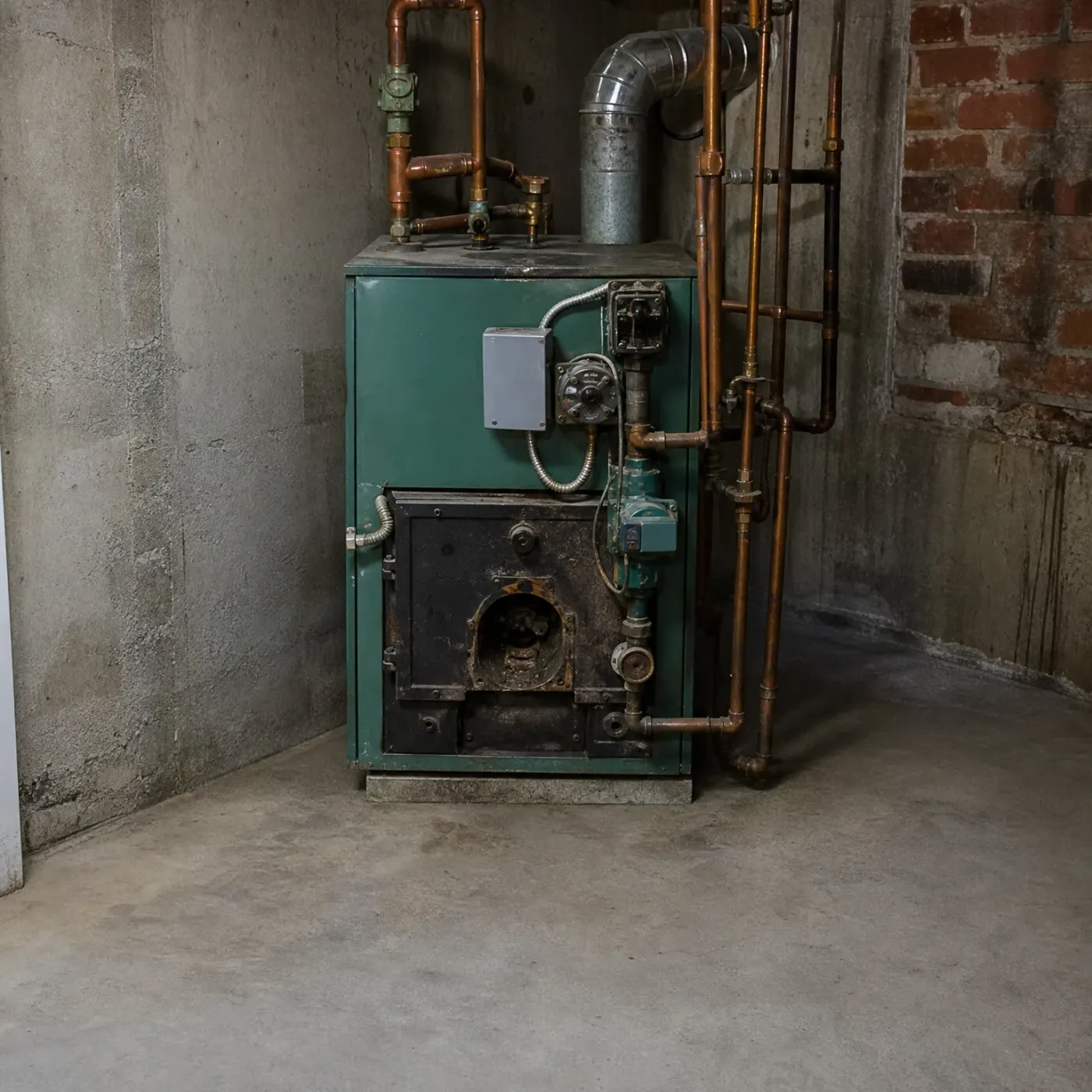
A boiler that's too small for the load runs constantly trying to keep up, and the firebox pays for it. Corrosion like this on the door means the metal has been overheating for a long time. Replacing it is also the chance to size it to what the house actually needs.
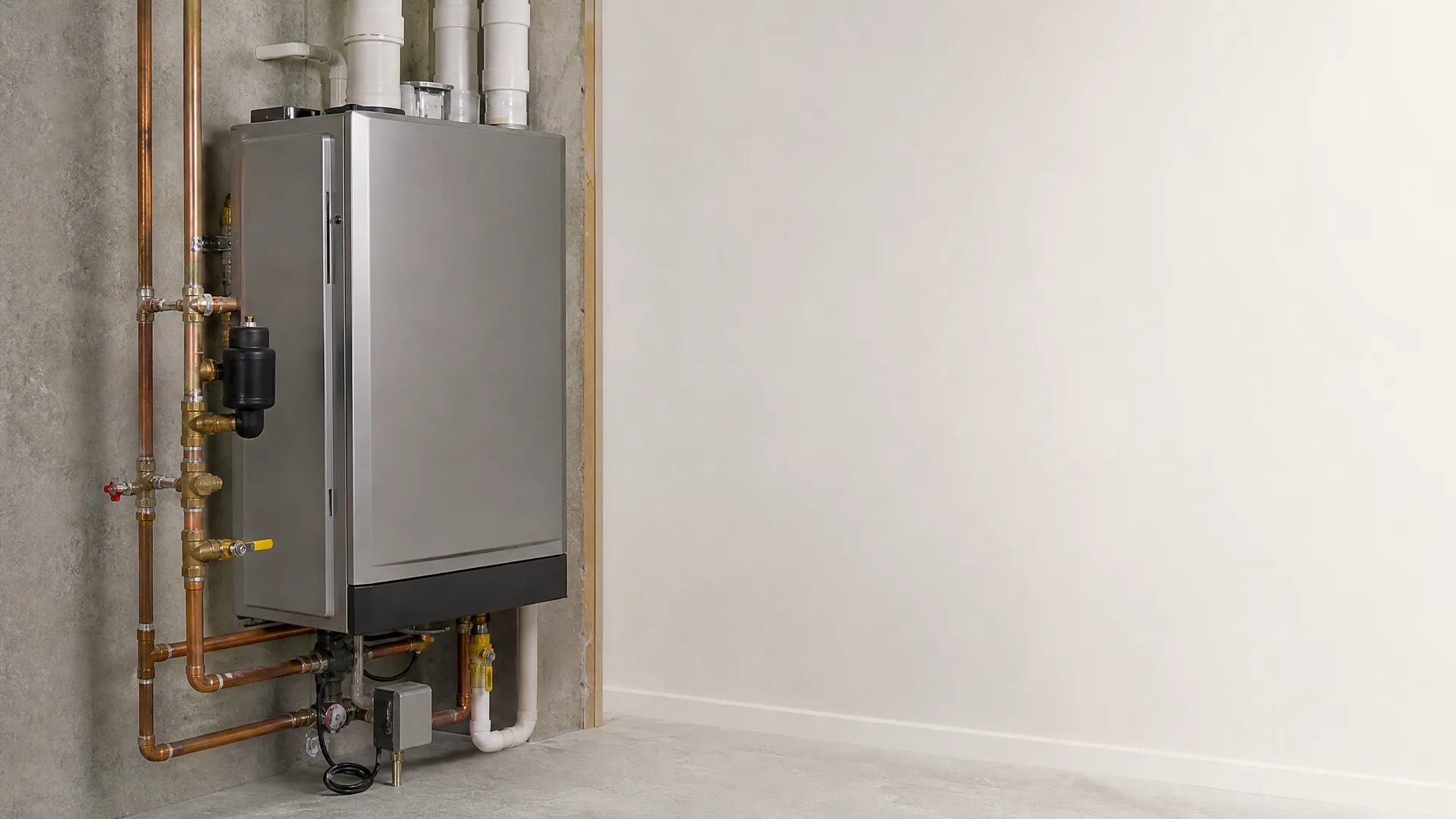
A heat loss calculation looks at the walls, windows, and ceiling heights of the rooms the boiler actually serves, then adds up how much heat escapes on the coldest day. That number, in BTUs, is what the boiler has to replace. It has nothing to do with the square footage of the whole house if the boiler is only running a radiant floor or a couple of rooms. Two homes the same size can need different boilers if one has more window area or taller ceilings.
Matching the replacement to the boiler coming out assumes the old one was sized right to begin with, and a lot of them weren't. Contractors used to size with a bigger margin than the house needed, so an old boiler might be larger than the rooms it heats ever required. If a zone or a room was added or dropped since that boiler went in, the load it's covering now isn't the load it was built for either.
Those 30°F nights are what your boiler is sized against, whatever part of the house it covers. A unit sized for a mild evening falls behind once the temperature actually drops, and one sized too big cycles hard trying to catch up.
NOAA nClimDiv 1991-2020 county normals weighted by homes
The right size comes from a heat loss calculation on whatever the boiler actually covers, not from the old unit's rating or a square footage chart. Get that number wrong in either direction and the boiler tells on itself, short cycling if it's too big, falling behind on the coldest nights if it's too small. A contractor who works on boilers in Washington homes every season has seen both mistakes often enough to know which one shows up more in houses like yours, and what usually causes it. That's the kind of judgment a chart can't give you. Once you're matched with someone local and licensed, they can walk the rooms the boiler serves, run the calculation, and tell you the number that actually fits your house, not a general one. You'll hear from that one contractor directly, so you're not fielding calls from several companies trying to size the same job differently.


Get your boiler to the right pro
Only one pro gets your request, so you hear from one company.