

Still worth fixing
A boiler running like this one holds its pressure, heats evenly, and the pump moves water through the lines without strain. If yours still does that and a part failed, replacing that one part is the right call.
Once you send the form, finding a pro is off your list.
Hand it offA boiler that's acting up in the middle of a cold snap puts you in a tough spot. You don't want to throw money at a repair if the thing is going to quit next year anyway, but you also don't want to replace a unit that had years left in it. With most Washington homes running on electric heat already, a boiler is a less common setup, and finding someone who still knows how to size up what's going on with yours matters more than usual.
A boiler that's lasted 15 years has already outlived a lot of the components that go bad early. Past that age, the heat exchanger and internal piping start wearing out together, so fixing one problem usually just means another one shows up a few months later. If this is the second or third repair call in a couple of years, that pattern has already started. Washington winters aren't the harshest around, but a boiler still needs to hold up for months of steady use, and an older unit working harder to do that is spending more on power than a new one would. With electricity priced the way it is here, that gap is worth paying attention to.
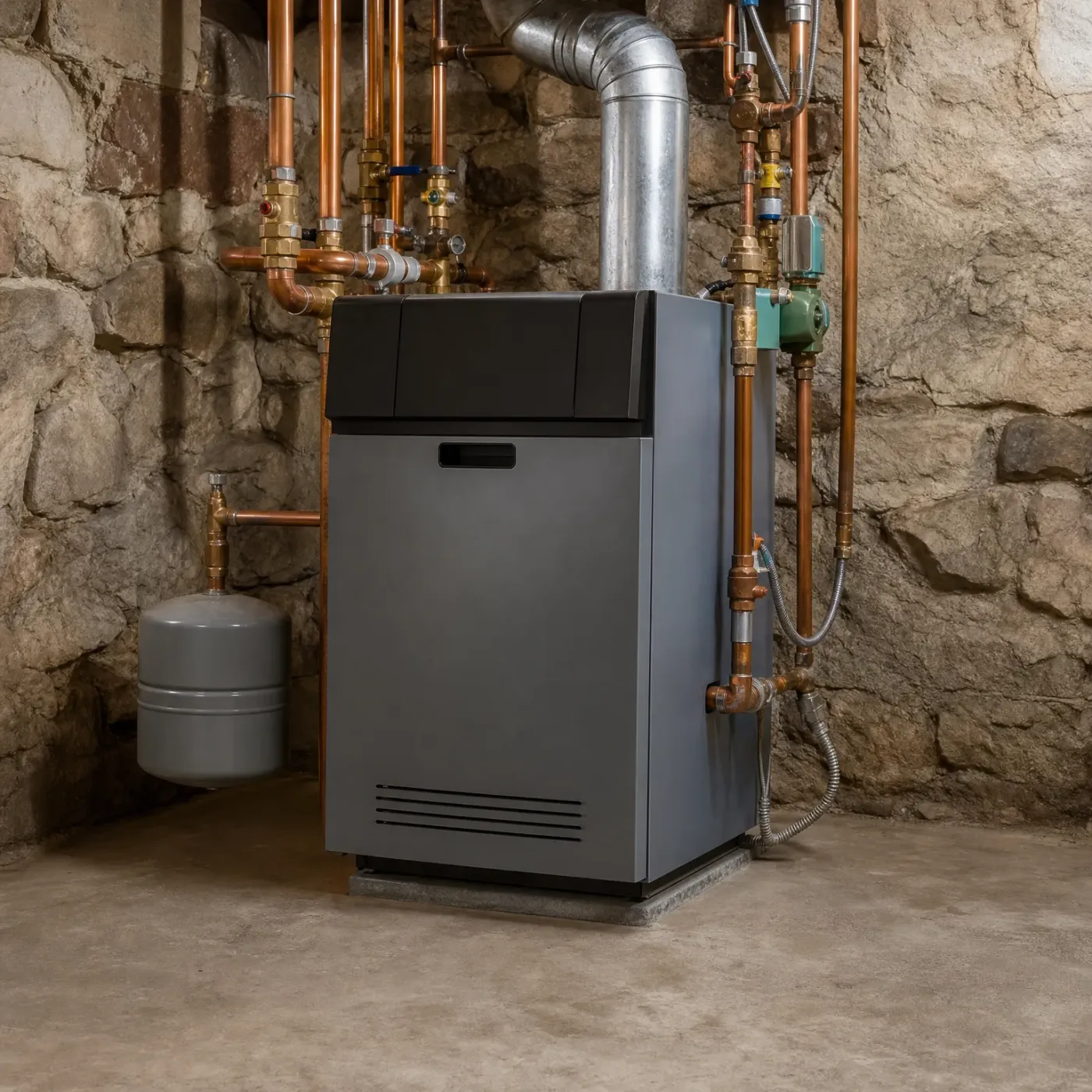
A boiler running like this one holds its pressure, heats evenly, and the pump moves water through the lines without strain. If yours still does that and a part failed, replacing that one part is the right call.
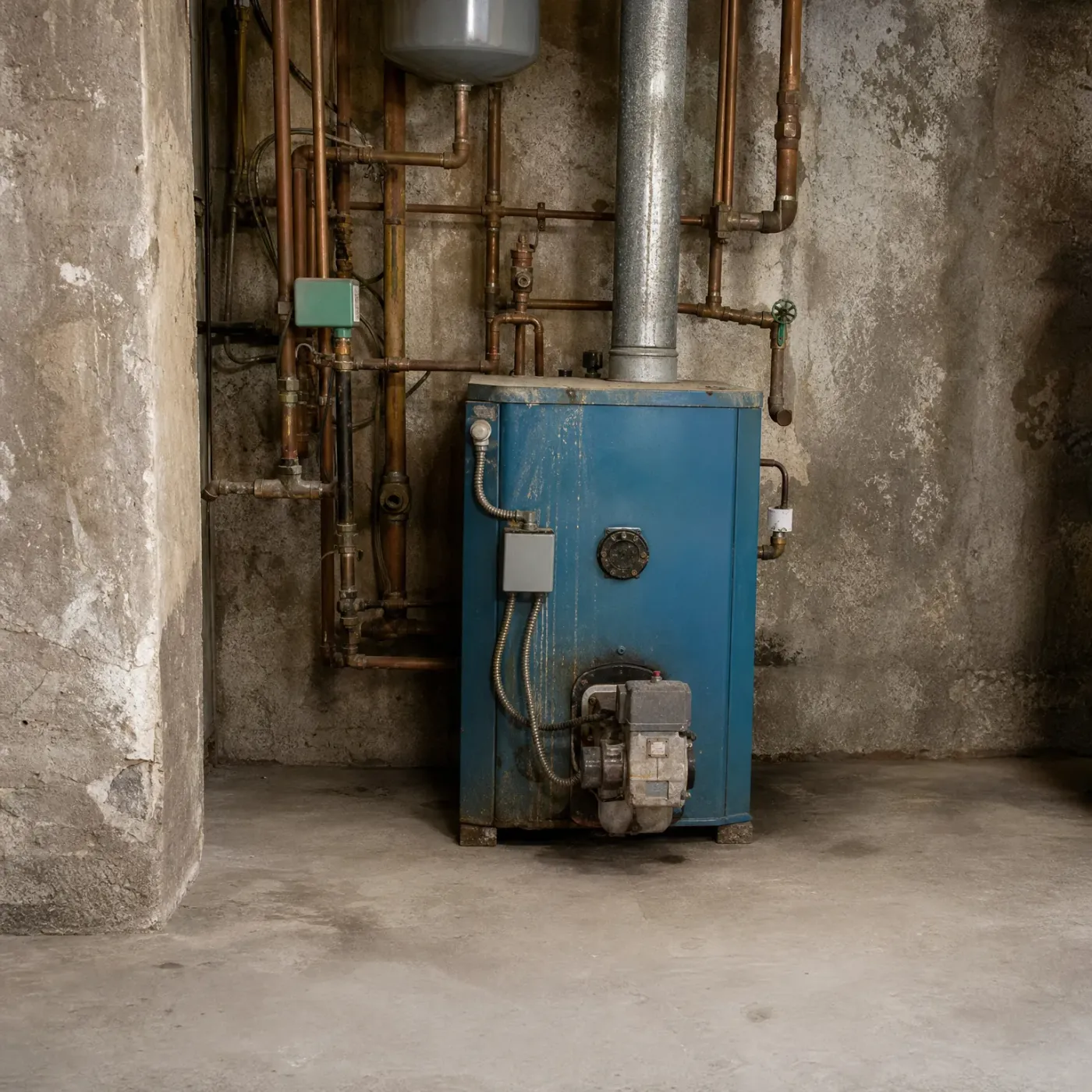
An old unit like this with a tired flue and a burner that struggles to stay lit is telling you something. When the failures start stacking up, putting money into it again just delays the same decision.


A boiler doesn't heat your house directly. It heats water, then moves that water out to radiators or baseboard units through a closed loop, and pulls it back to heat again. Nothing gets used up and vented off the way it does with a furnace. The aquastat is what decides when the burner or element fires. It sits on the boiler reading water temperature, and once that water drops below the setpoint, it calls for heat. Once it's back up, the aquastat shuts the burner off. That cycle is the whole system working as it should.
The circulator pump is what actually gets the heat to your rooms. The boiler can be firing perfectly and the water can be plenty hot, but if the pump seizes, that heat stays in the boiler room instead of reaching the radiators. An expansion tank holds the pressure in the loop steady as the water heats and expands. When that tank starts failing, the pressure relief valve takes over and starts dripping, which is usually the first sign something's wrong.
Over years of use, minerals in the water settle inside the heat exchanger. That buildup acts like insulation between the flame and the water, so the burner has to run longer to do the same job. The exchanger itself is sealed metal, and once it cracks, water and combustion gases start mixing inside it. That's not something a part swap fixes.
Nights in the 30s settle in across December, January and February, so your boiler is firing through the evening and into the early morning for three straight months. That's steady, repeated cycling on whatever parts you've got. A circulator pump or aquastat near the end of its life tends to show it in a stretch like that.
NOAA nClimDiv 1991-2020 county normals weighted by homes




A boiler in a Washington house is doing most of the heating work on its own, since the electric heat so common here isn't carrying the load in your case. That makes the decision in front of you less about one bad part and more about what the system's been through. If the aquastat or circulator pump failed on a boiler that's otherwise holding pressure and heating evenly, a straight repair makes sense. If it's further along than that, you're choosing the install path instead, and that's a different kind of job, one worth having someone look at in person rather than guess over the phone. A licensed local contractor who works on boilers in this area every winter has seen what tends to give out first in a system like yours and what's worth saving. Sending the request puts that judgment in someone else's hands instead of yours, and the boiler stops being something you're managing alone.
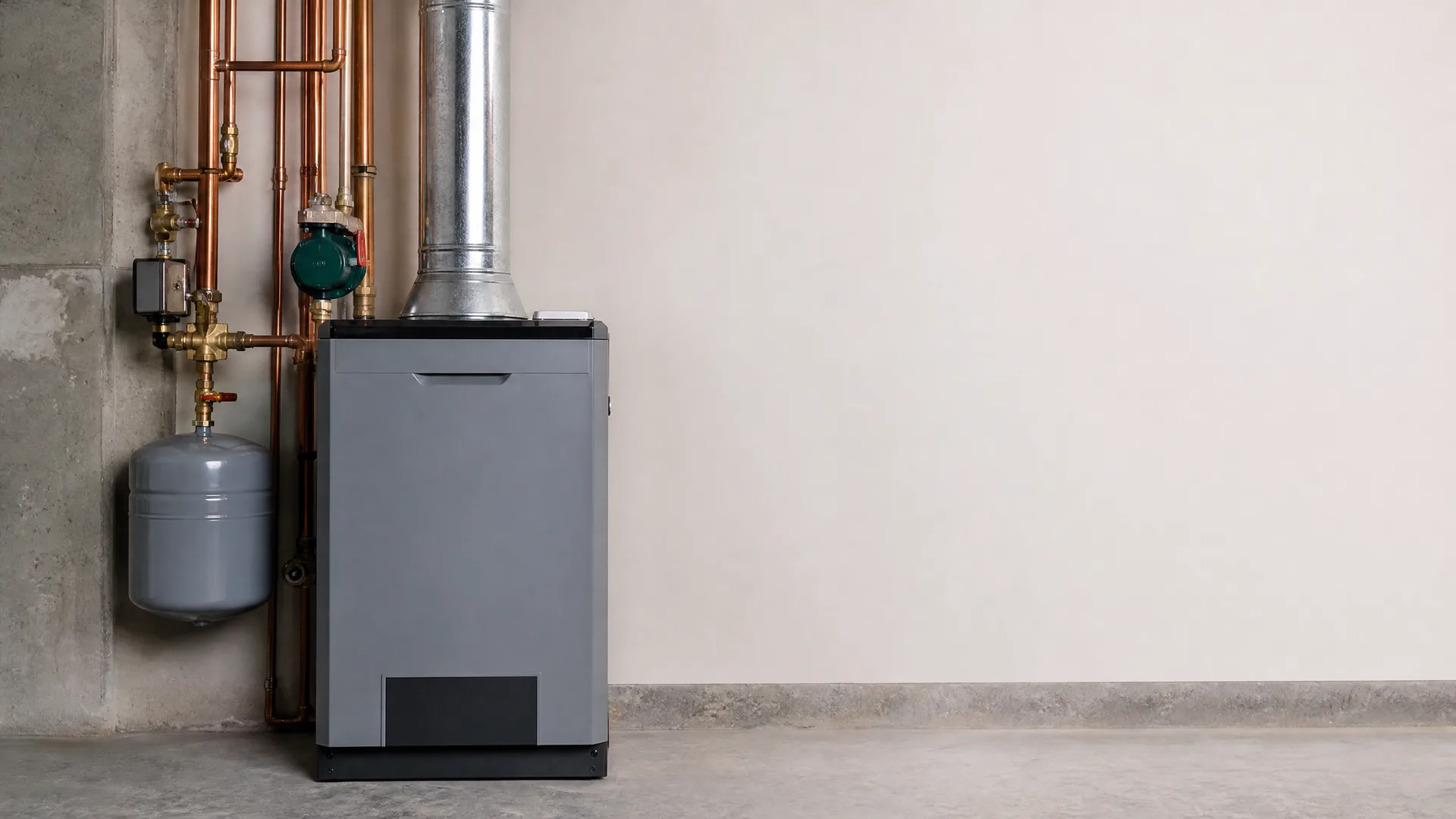
A circulator pump that's losing strength won't always stop. It just moves less water than it should, so rooms near the end of the line run cooler while the boiler itself tests fine. If one part of the house never quite warms up and the others do, that pump is the first thing worth checking before anyone talks about replacing the whole unit.
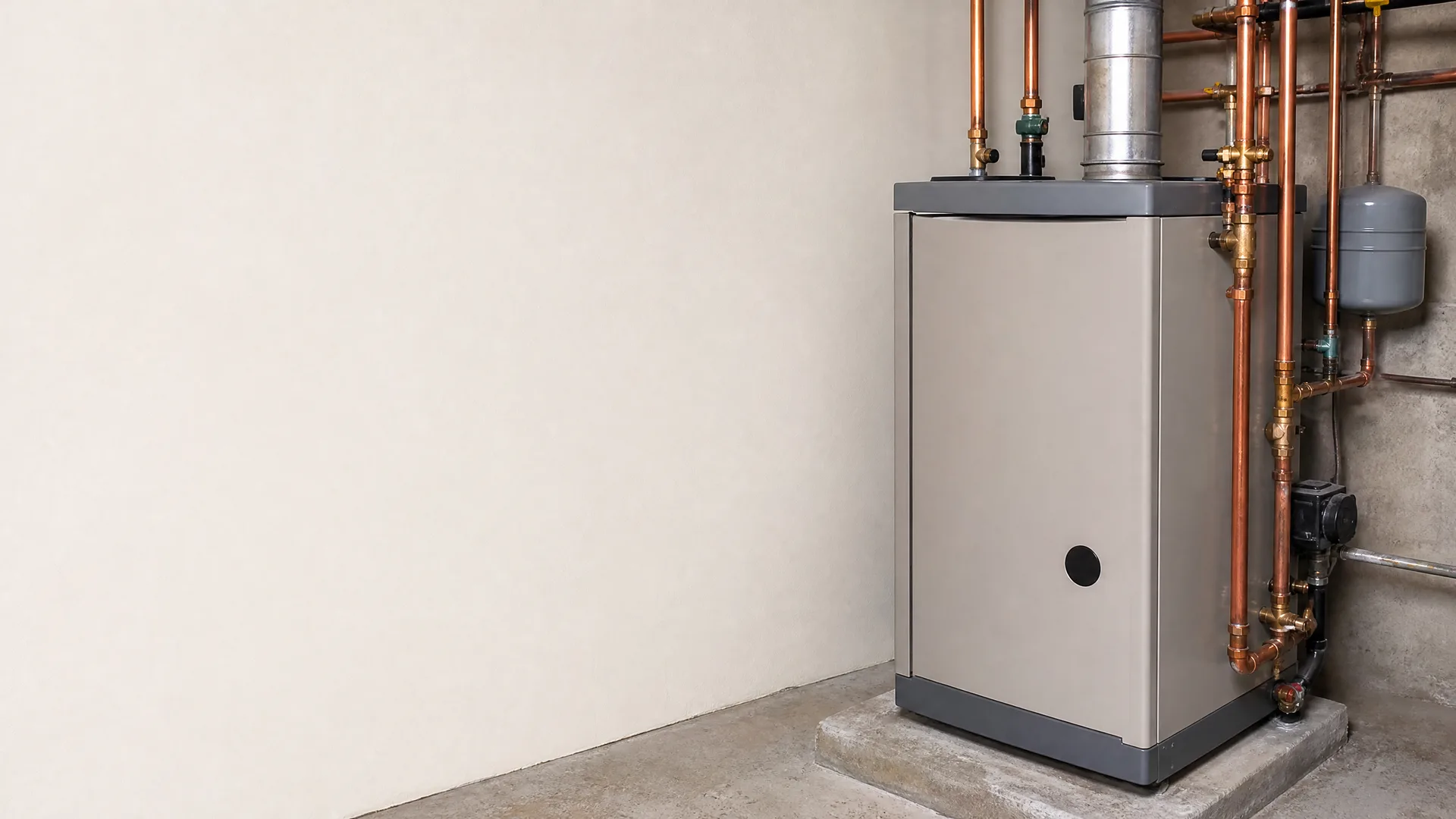
The aquastat sits on the boiler and reads the water temperature directly, telling the burner when to fire and when to rest. A failing one can leave the water running hotter or colder than the dial says, which shows up as a house that never feels quite right even though nothing's made a noise or thrown an error. It's a small part, and usually cheap to replace on its own.
A boiler that holds pressure and heats the house evenly is worth repairing. One that's lost a second part in a year, or that can't keep the far rooms warm anymore, is telling you it's done. That's the whole decision. Whichever side of it you land on, the next step is getting someone who works on these systems every winter to look at yours and tell you straight what they see. A local contractor who's licensed for this knows which parts fail first on boilers like yours and how old a unit has to get before a repair stops making sense, and you'll be matched with just that one, so you're not fielding calls from a handful of companies trying to win the job. You'll know where you stand once they've had a look at it.

Finding a pro stops being your job